The Afterlife of Luxury: Creative Transformations for Iconic Boxes
For many, relegating these exquisite objects to the back of a closet feels like an aesthetic disservice. They are simply too beautiful to discard.
This second installment shifts focus from appreciation to application. We explore how to grant these covetable boxes a purposeful and elegant "second life" as integral elements of your home decor. This practice moves beyond mere upcycling; it is a form of curated living, where discerning taste extends to how we organize and beautify our personal spaces.
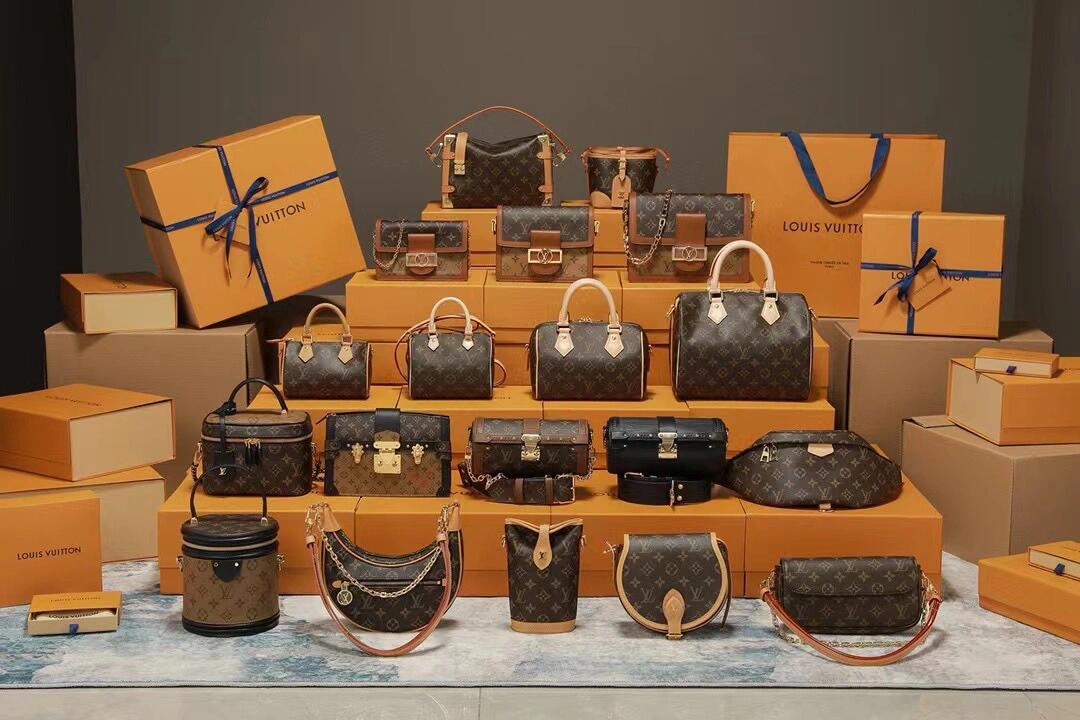
From Packaging to Permanence: A Philosophy of Conscious Curation
Integrating luxury boxes into your home is not about ostentatious brand display. It is about recognizing and repurposing exceptional design. It aligns with a growing philosophy of conscious consumption and creative reuse, where the narrative of an object extends beyond its initial purpose. A sturdy, beautifully finished box is fundamentally a well-made container—a blank canvas with a heritage. The challenge (and the pleasure) lies in reimagining its function with intention and style.
Principle 1: Cohesion Over Clutter
The goal is seamless integration, not creating a "shrine" to shopping. Select boxes that share a complementary color palette or level of formality. A cluster of Hermès orange boxes can make a vibrant, modernist statement, while a collection of Tiffany blue ones might create a cooler, more serene vignette.
Principle 2: Function Informs Form
Let the box's original structure guide its new role. Deep, rigid boxes are perfect for drawers; sturdy, lidless ones become elegant trays; slim, document-style boxes are ideal for stationery.
Principle 3: The Power of Edit
More is not always better. A single, perfectly placed box on a bookshelf can be more impactful than a crowded collection. Edit your selection as you would any other decor element.
Practical Elegance: Room-by-Room Inspirations
1. The Study & Home Office: A System of Sophisticated Order
The home office demands organization, but why should it be boring? Luxury boxes provide a chic solution for the clutter that plagues even the most dedicated minds.
-
Desktop Dynasty: Use smaller boxes (like those for scarves or fine jewelry) to corral paperclips, thumb drives, and business cards. A medium-sized box becomes a holder for notepads or mail that requires action.
-
Drawer Dividers: Line your desk or bureau drawers with fitted boxes of varying sizes. They create perfect compartments for charging cables, stationery, tech accessories, and personal care items, transforming chaotic drawers into visions of orderly bliss.
-
Shelving Statements: Use larger, more graphic boxes (like the bold stripes of a Goyard box or the classic LV monogram) as bookends on a shelf. They add structural weight and a pop of pattern amidst rows of books.
2. The Living Room: Curated Displays & Conversation Starters
In social spaces, these boxes can transition from pure function to decorative art.
-
The Stacked Sculpture: Artfully stack boxes of graduated sizes in a corner of the room or on a console table. Play with alternating the direction of logos or mixing complementary colors (e.g., deep green with warm orange) for a dynamic, architectural effect.
-
Coffee Table Collections: A beautiful, lidded box placed centrally on a coffee table is instantly useful for stashing remote controls, coasters, or playing cards, keeping surfaces tidy. Choose one with a particularly beautiful top or logo to serve as a focal point.
-
Bar Cart Brilliance: Small to medium boxes are perfect for organizing a bar cart. Use one for cocktail napkins and stirrers, another for bottle pourers and wine charms, and a slim one for bitters and small utensils.
3. The Bedroom & Dressing Area: A Sanctuary of Serenity
The bedroom calls for calm and order. Here, boxes can help cultivate a serene, hotel-like atmosphere.
-
Jewelry & Watch Custodians: This is the most classic and practical reuse. Line your wardrobe shelf or dressing table with boxes dedicated to different categories: one for everyday watches, another for bracelets, a soft-lined one for rings and earrings. It protects valuables and makes selection a pleasure.
-
Lingerie & Accessory Drawers: Similar to the office, use boxes to compartmentalize drawers for scarves, gloves, belts, or delicate lingerie. The rigid structure prevents items from becoming tangled or misshapen.
-
Vanity Valet: A large, pristine box can hold hairdressing tools, while a shallow one can keep daily skincare or makeup essentials neatly contained.
4. Seasonal & Special Projects: The Thoughtful Touch
-
The Ultimate Gift Presentation: Re-gift a luxury box! Placing a thoughtfully chosen present inside a pristine Hermès or Tiffany box elevates the entire giving experience, imparting a sense of occasion and extreme care to the recipient. It’s a sustainable and deeply personal touch.
-
Holiday Decor: A stack of robin's-egg blue boxes tied with white ribbon makes a stunning, non-traditional Christmas "tree" or mantelpiece display. Orange boxes can be part of a warm, autumnal arrangement.
-
Memory Boxes: Designate a special, sturdy box to hold memorabilia from a specific trip or event—ticket stubs, photos, dried flowers. The box itself becomes part of the memory’s story.
Advanced Styling: Tips for the Discerning Eye
-
Mix Textures: Pair the high-gloss finish of a box with the raw texture of a linen table runner, a rustic wood tray, or the matte surface of a ceramic vase. Contrast highlights quality.
-
Play with Scale: Don’t be afraid to place a small, vividly colored box next to a large art book or a substantial piece of pottery. The contrast in size creates visual interest.
-
Conceal to Reveal: For a more subtle look, use the boxes inside closed cabinets, drawers, or on shelves behind glass doors. You benefit from the organization and the occasional glimpse of beauty, without overt display.
-
Prioritize Condition: Only repurpose boxes that are in excellent, unmarked condition. A worn or torn box detracts from the aesthetic you’re trying to build.
Conclusion: The Box as a Legacy Object
Ultimately, creatively reusing a luxury box is an act of personal expression. It reflects an eye for quality that transcends labels and a desire to surround oneself with beauty in the everyday. These boxes, born from brand legacy, can be adopted into your own domestic legacy—holding not just items, but memories, order, and a curated sense of self.
They remind us that true luxury is not merely about acquisition, but about the thoughtful, ongoing engagement with the beautiful objects that cross our paths. It is about seeing potential where others see packing material and transforming functional art into a functional part of a life well-lived.